
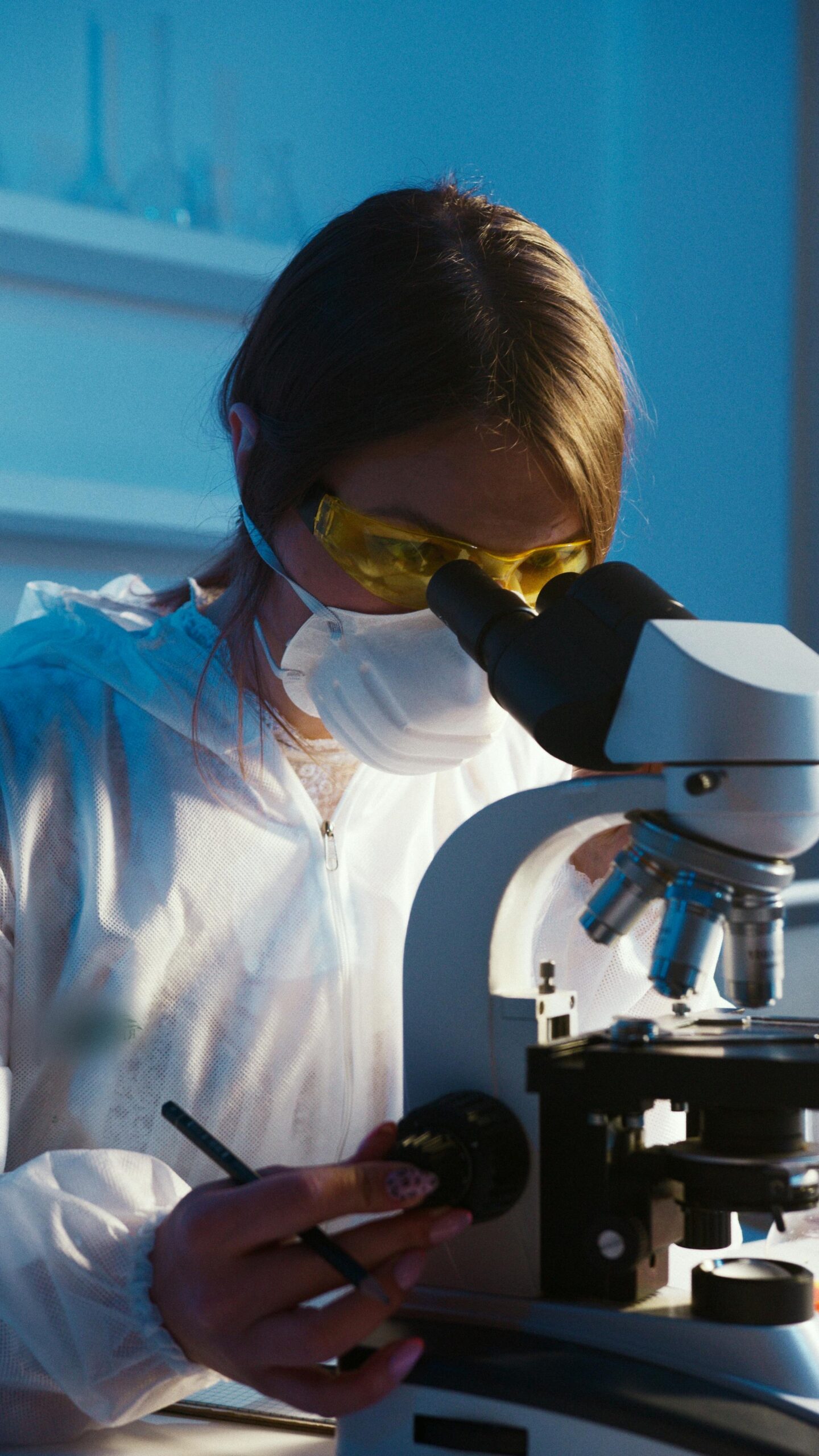
CRISPR Gene Editing
In the year 2012 a young girl who lived in the United States was having a lot of trouble walking. The doctors gave her medicine to try and make her better.. None of the medicines worked. The problem, with her body was not something that could be seen on the outside her disease was a part of her DNA, the thing that makes her who she is the United States girls disease was really deep inside of her.
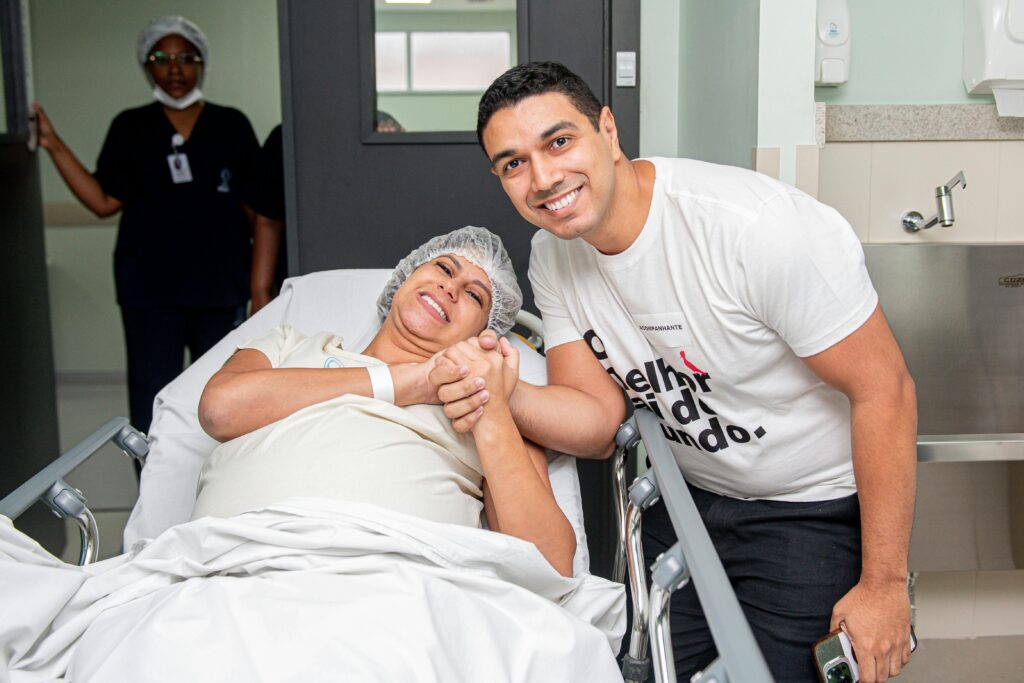
A decade later people like her are going to the hospital to get a treatment that fixes a problem, with their genes. They do not have to take medicine every day. They do not have to go to therapy for their life. They just have to go through one procedure. Then they can get better.
Most people did not notice when this shift happened. There was no ceremony to mark the occasion. No new product was released to the public. It just started with stories from laboratories then from hospitals and then, from real families who were affected by the shift.
Somewhere, along the line CRISPR changed from a research idea to something that is actually used in medical care. CRISPR is now a part of the medical care that people get.
And that raises a simple question: is this actually being used widely, or is it still just a promise?
The problem that existed before CRISPR Gene Editing
For decades, medicine treated genetic diseases like a leak it could never fully fix. Doctors managed pain, slowed damage, and extended life — but they couldn’t correct the source of the problem.
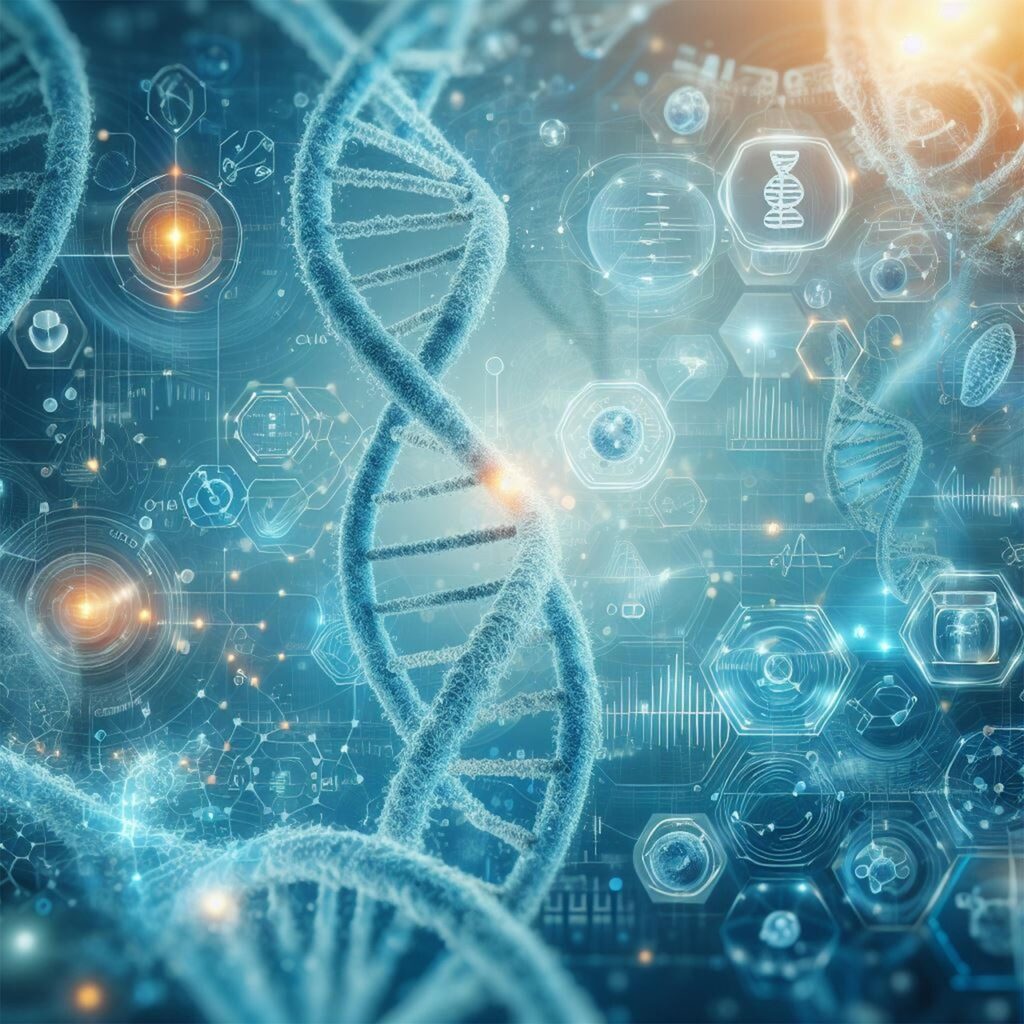
If a disease was caused by a broken gene, there was no way to reach it safely.
Why older solutions failed
Gene therapy tried to add new genes. Chemotherapy attacked cells broadly. Many treatments worked temporarily or caused serious side effects.
The root issue remained untouched because changing DNA was slow, expensive, and risky.
How this invention changed everything
CRISPR changed the rules by acting like a precise editor. Scientists could finally go into a cell, find the exact genetic error, and fix it.
Not replace the whole system. Just correct the typo.
At first, it stayed inside labs. Then came animal trials. Then small human trials. Slowly, carefully, the science moved into hospitals.
When real-world use began CRISPR Gene Editing
By the early 2020s, CRISPR treatments were being used for rare blood disorders like sickle cell disease. In 2023, the first CRISPR-based therapies received regulatory approval in major countries.
This wasn’t hype anymore. It was clinical care.
Patients who once planned their lives around illness began planning for normal routines instead.
Sickle Cell Disease
For people with sickle cell disease, pain crises were a lifelong routine. Hospital visits were frequent. Work and school plans often failed.
CRISPR-based treatment allowed doctors to edit blood-forming cells so they no longer produced the faulty gene. Some patients reported being pain-free months after treatment — something they had never experienced before.
Ending (reflection, not prediction)
Today people think that medicine should do a lot more, than help with disease. They want medicine to fix the cause of the problem not just make the pain a little better. People want medicine to really fix the cause and make them feel well again.
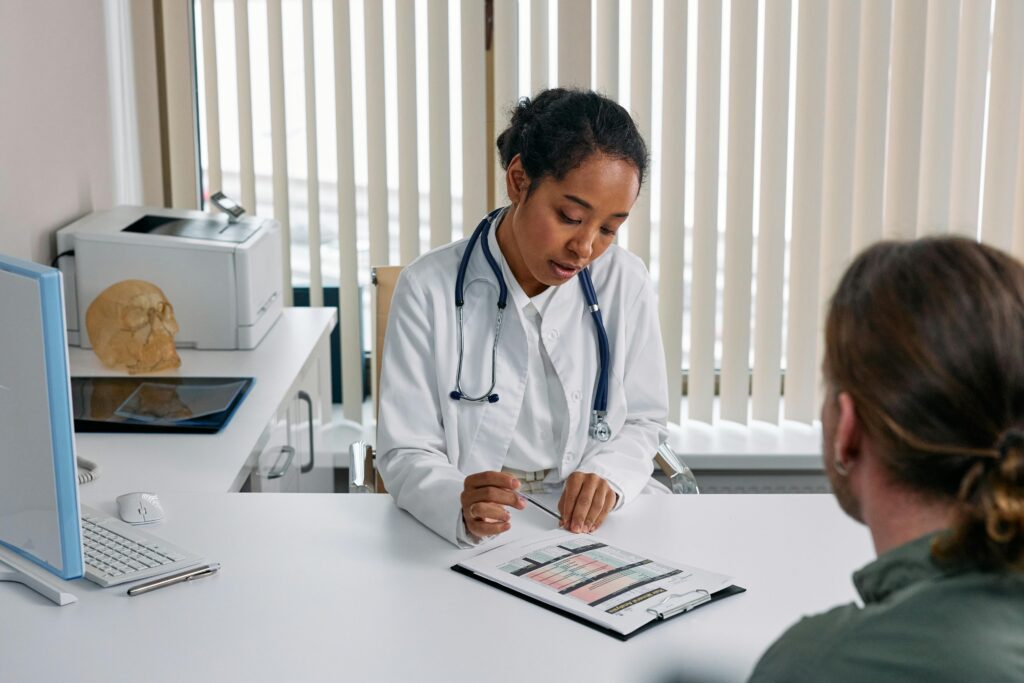
The thing that really changed what we thought would happen is CRISPR. CRISPR made us think differently about this. We used to think one way. Now we know that CRISPR is something that can really make a difference. CRISPR is what changed our expectation.
This thing is still having a lot of problems. The treatments for this thing are really expensive. It is hard for people to get access to these treatments, for this thing. We are still trying to figure out what happens to people who use these treatments for this thing over a period of time.
The change is already here. Gene editing is not something that will happen someday. It is already a part of modern medicine. Modern medicine is really using gene editing to do things.
Smartphones really changed the way we think about talking to each other. In the way CRISPR Gene Editing changed what we think about healthcare. We expect more from healthcare now because of CRISPR. CRISPR is a deal, for healthcare.
And once expectations change, there’s no going back.